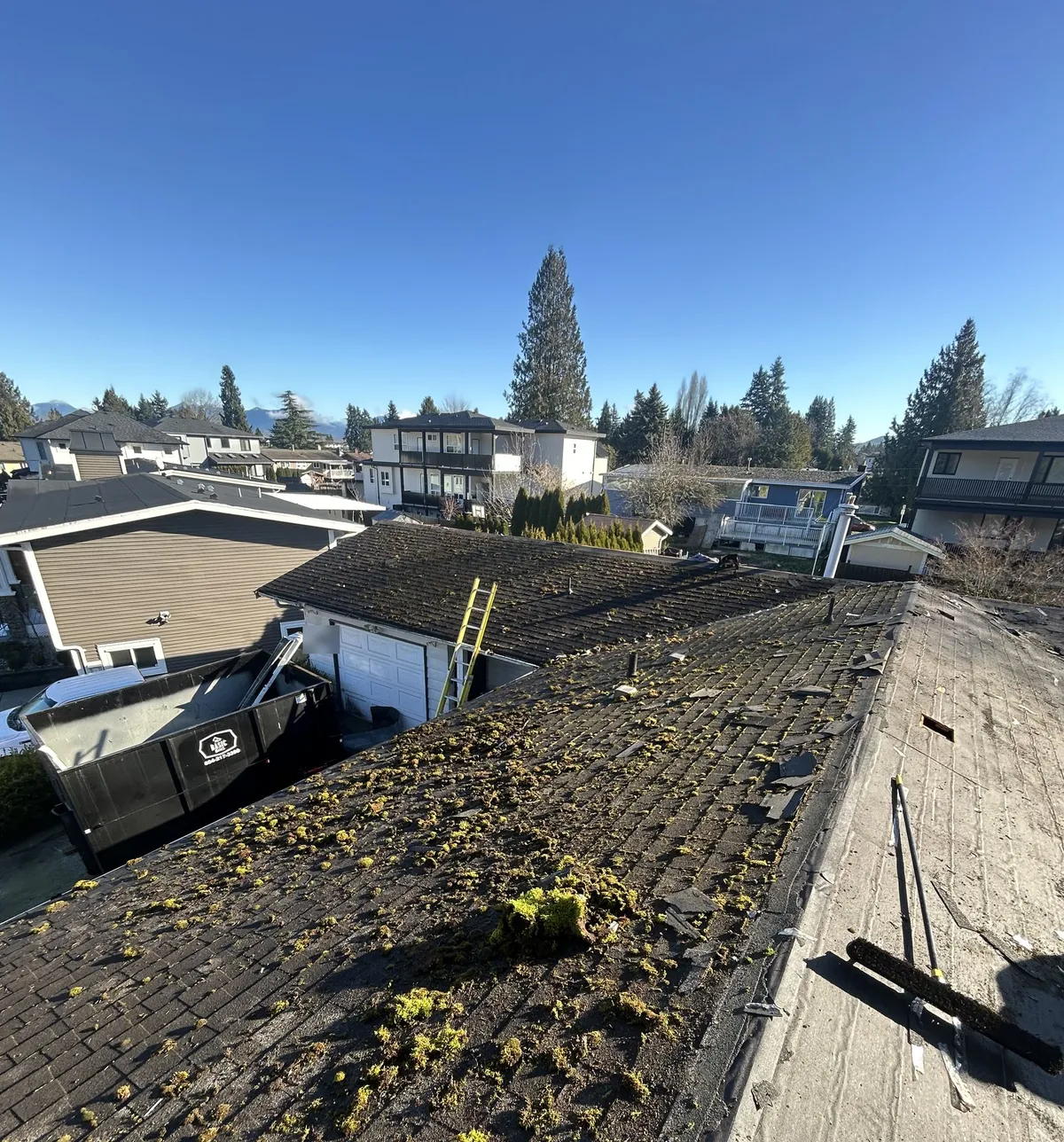
After severe weather, focus on safety and visible changes. Wind damage can affect shingles, flashing and gutters even when the roof is not leaking yet.
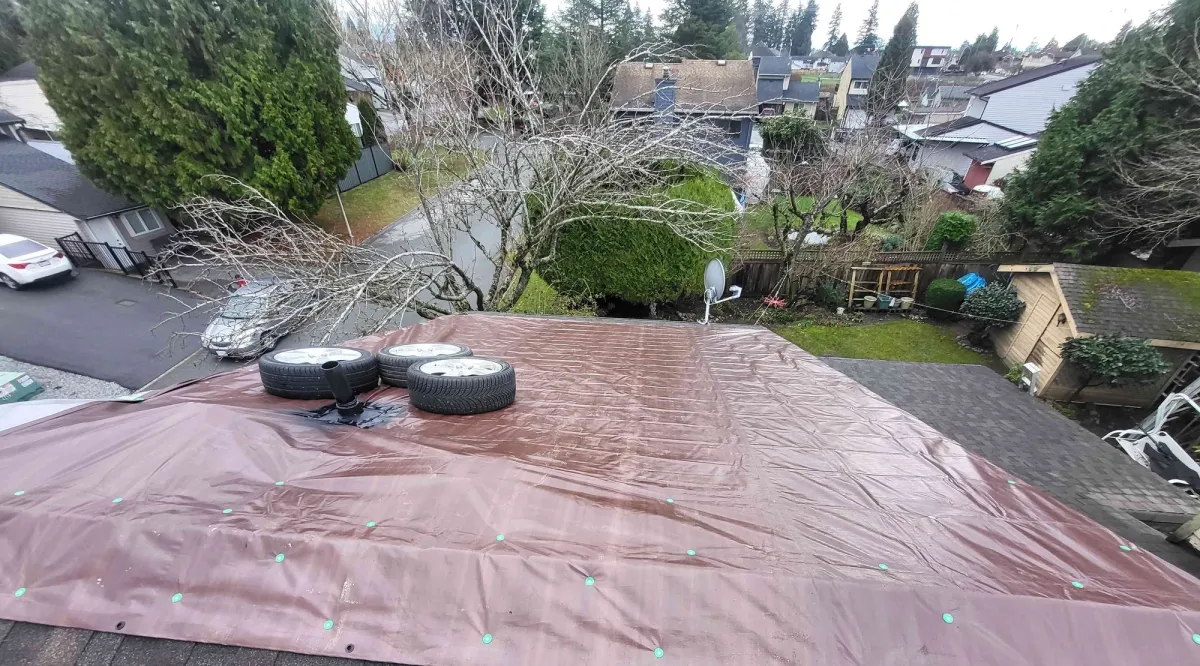
Safety Comes First
Stay clear of downed wires, hanging branches and unstable areas. Do not climb onto a wet or damaged roof.
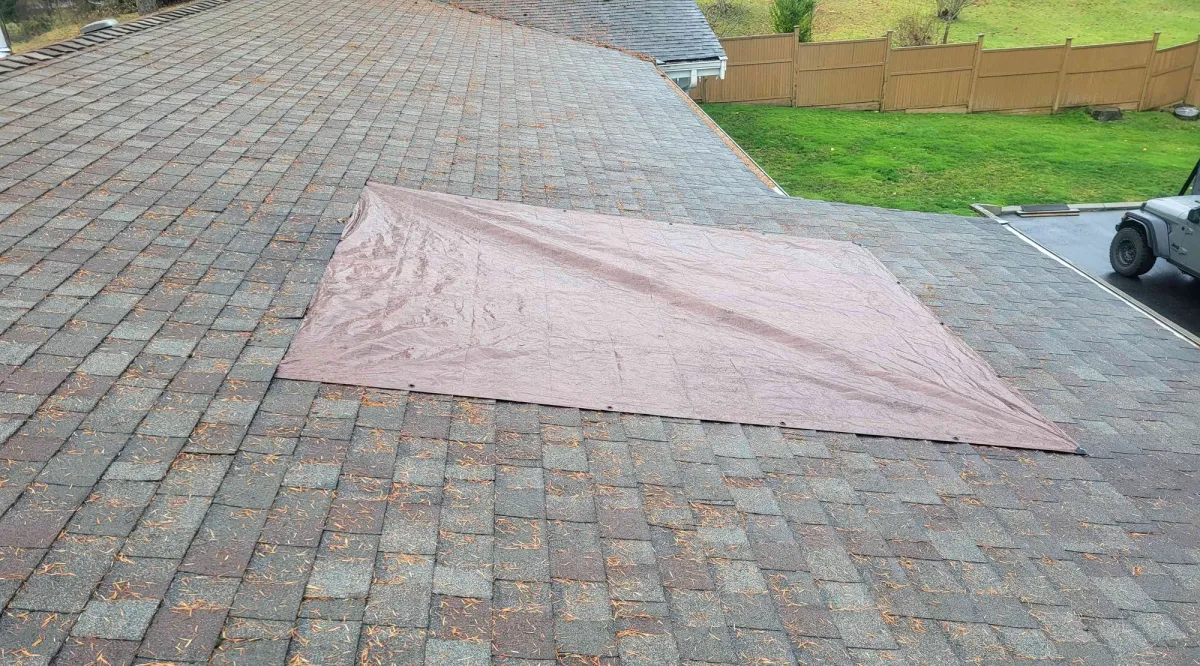
Check Indoors Safely
Look for new stains, active drips and damp walls. Keep away from sagging ceilings and water near electrical fittings.
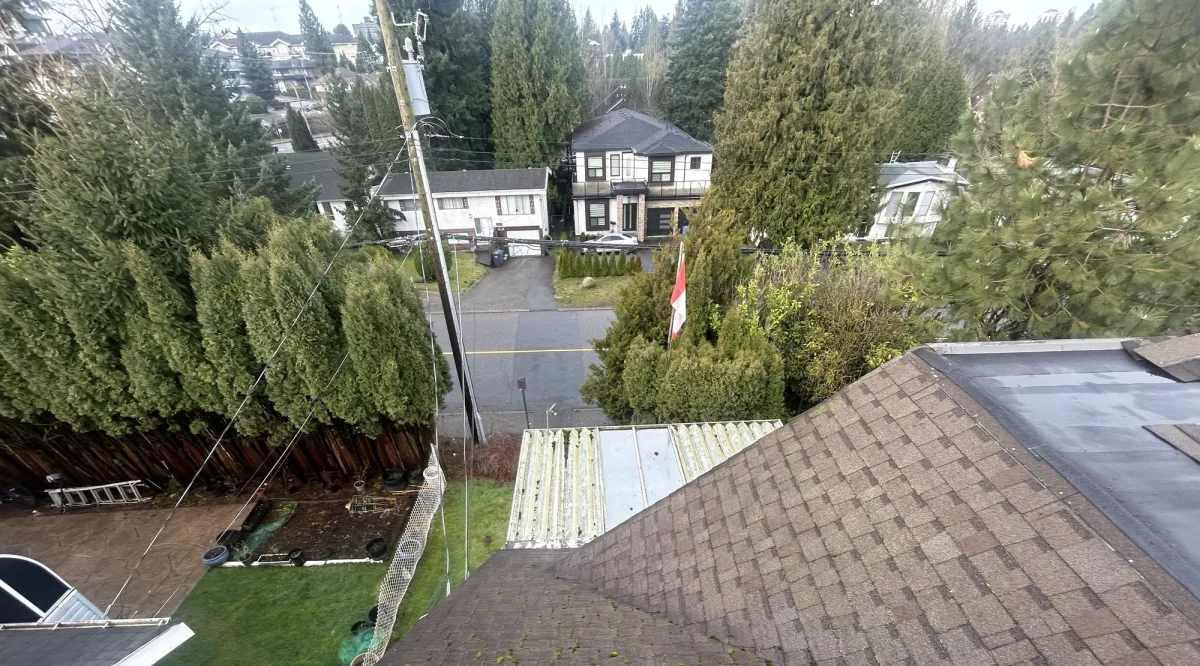
Look from the Ground
When it is safe outside, note these changes without using a ladder:
- Shingles: Photograph missing pieces or areas that appear lifted.
- Surface wear: Record visible changes, but leave hail and granule-loss assessment to the roofing consultation.
- Flashing: Note displaced material around chimneys or vents if visible.
- Gutters: Look for debris, sagging and downspouts that have come loose.
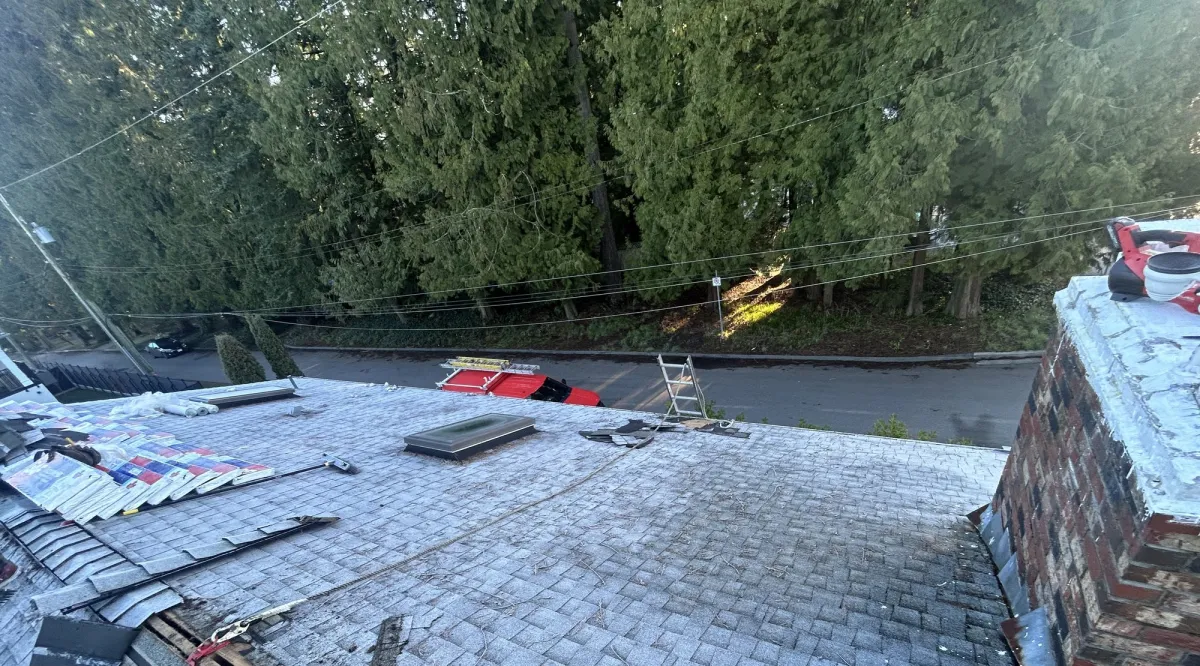
Document What Changed
Save dated photos and note when the storm occurred and when you first noticed the damage. Keep any related invoices.
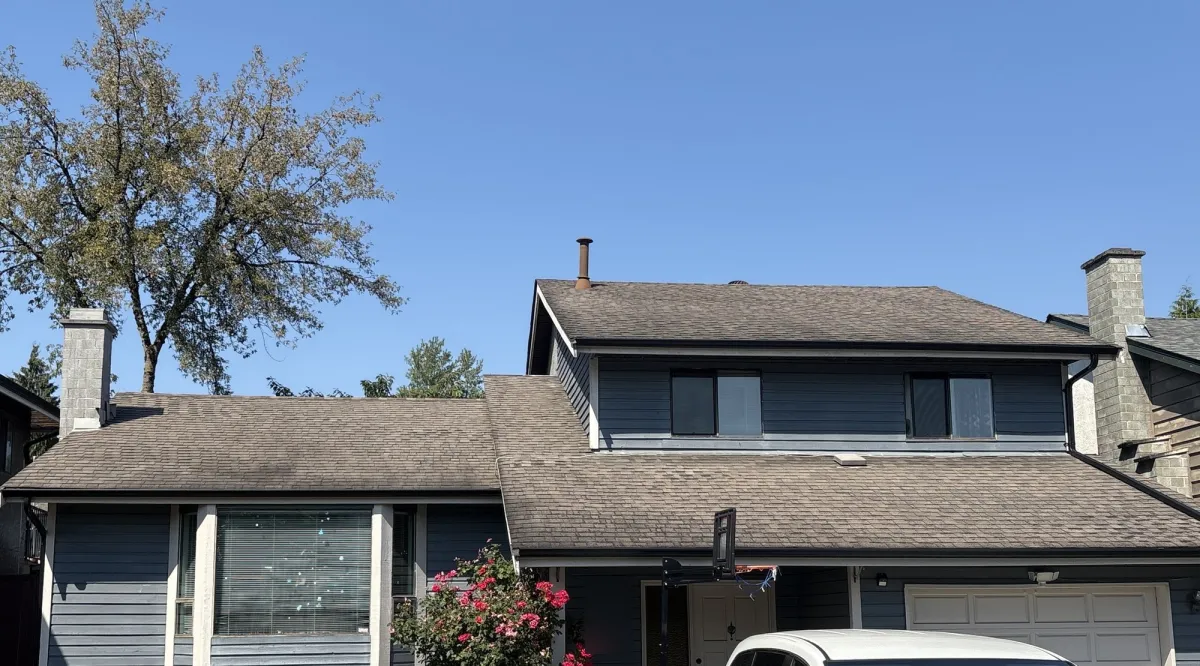
Arrange a Roofing Consultation
Start with a roofing consultation, then review itemized options that fit your home and budget.
Plan Follow-Up Checks
Ask which defects need prompt action and what can be monitored. Maintenance cannot guarantee protection from future storms.
Where damage is widespread, compare asphalt pitched roof replacement and related gutter work. Where it is isolated, ask whether a limited repair is suitable.
Start with a roofing consultation, then review itemized options that fit your home and budget. If wear is widespread, prioritize replacement over repeated cleaning, then address gutters and limited repairs.
← All articles