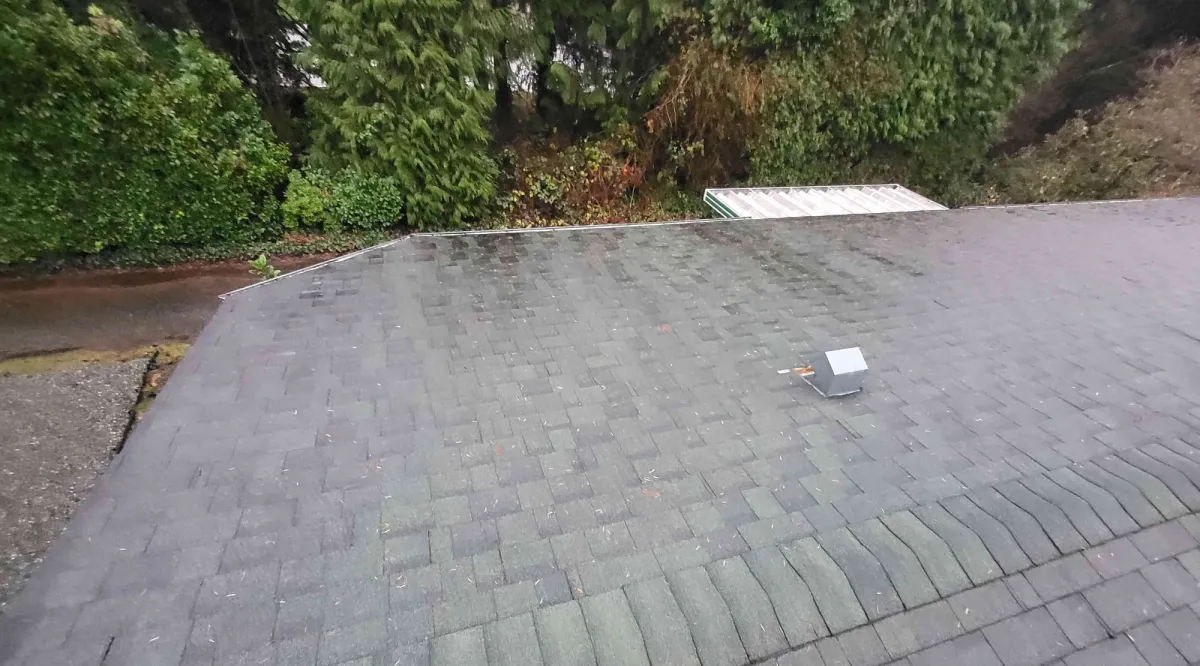
Why Your Roof May Be One of the Most Undervalued Features of Your Property
When people think about increasing the value of their home, they usually think about renovating the kitchen, updating bathrooms, installing new flooring or improving the landscaping.
These improvements are attractive, visible and exciting.
But what about the roof?
A roof may not be the most glamorous home improvement. You cannot admire it from your living room or enjoy it like a new kitchen. In fact, most homeowners barely think about their roof until something goes wrong.
Yet the roof protects almost everything underneath it, including the expensive renovations that buyers find so attractive.
At Homeguard Roofing, we believe the condition of a home's roof deserves far greater attention in the real estate market.
Whether you are buying, selling or planning to stay in your home, understanding the true value of a properly installed roofing system can help you avoid expensive surprises.
Does a New Roof Really Increase Your Home's Value?
A new roof can offer several important financial advantages:
- Reduce the likelihood of buyers negotiating substantial discounts for an aging roof.
- Remove concerns about an expensive replacement shortly after purchase.
- Improve the home's appearance and buyer confidence.
- Provide documented installation and warranty information.
- Make it easier for prospective buyers to assess the property's maintenance history.
- Potentially reduce roof-related complications when arranging home insurance.
Consider two otherwise similar houses being offered for sale.
One has a professionally installed new roof with supporting documentation and a registered manufacturer warranty.
The other has a roof that is 20 years old, with no reliable records of installation, maintenance or remaining service life.
Which home would you feel more comfortable purchasing?
And how much would you deduct from your offer if you knew you might need to replace the second roof shortly after moving in?
Why Do Kitchens and Bathrooms Get More Attention Than Roofs?
Kitchens and bathrooms are often the first features highlighted in property listings.
They photograph well, create an immediate impression and make homes feel modern.
A new roof rarely receives the same attention.
Roof replacement is what many people consider a grudge purchase: something they know they need but would rather spend their money on something more enjoyable.
However, the financial implications are very different.
An outdated kitchen can often remain functional for years.
An aging roof that begins leaking may require urgent attention and can damage insulation, ceilings, walls, flooring and other parts of the property.
A beautiful renovated kitchen offers little comfort if water begins entering through the roof above it.
A roof may not be the most exciting improvement, but it is one of the most important investments in protecting a home.
Should Realtors Pay More Attention to Roof Condition?
We believe so.
Real estate professionals play an important role in helping buyers understand a property's features, maintenance history and potential financial obligations.
While many realtors take roof condition seriously, the importance of a complete roofing system is not always fully explained.
A roof may simply be described as being in good condition, approximately 15 years old or having several years of life remaining.
But what does that actually mean?
A roof's age alone does not determine its condition or future performance.
Two roofs installed in the same year can perform very differently because of the materials selected, installation quality, ventilation, exposure and maintenance.
Rather than relying on a general description, buyers should be encouraged to obtain proper documentation and, where warranted, an assessment from an experienced roofing professional.
Realtors do not need to become roofing experts. However, recognizing when specialist advice is required can help protect both buyers and sellers from expensive misunderstandings.
Is a General Home Inspection Enough to Assess the Roof?
A professional home inspection is an important part of purchasing a property.
Home inspectors assess many different areas of a building, including visible roofing components, electrical systems, plumbing, heating, foundations and general structural conditions.
However, a general home inspector is not necessarily a specialist in every trade.
A general home inspection is not the same as a detailed roofing assessment.
Depending on access, weather and safety conditions, a home inspector may examine the roof from the ground, a ladder or another accessible viewing point.
They may not walk on the roof or examine every flashing detail, valley, ventilation component or hidden area beneath the shingles.
This is not necessarily a failure by the inspector. It reflects the scope and limitations of a general home inspection.
At Homeguard, we believe a dedicated roofing assessment is especially valuable when purchasing an older property or one with an uncertain roofing history.
A specialist roofing assessment can consider issues that may not be fully evaluated during a general home inspection.
These include:
- Shingle type, condition and installation details.
- Roof slopes, valleys and intersections.
- Flashings around chimneys, skylights and walls.
- Eave and rake protection.
- Roof penetrations and pipe flashings.
- Visible decking concerns.
- Attic ventilation and moisture conditions, where accessible.
- Evidence of previous repairs or installation problems.
- Relevant manufacturer requirements and available documentation.
No inspection can uncover every concealed defect, but a focused assessment can provide buyers with a more informed understanding of the roof they are purchasing.
Can Anyone Really Tell You Exactly How Many Years a Roof Has Left?
This is one of the most misunderstood aspects of roof ownership.
Homeowners are regularly told that their roof has another five, ten or even fifteen years of life remaining.
But how can anyone know that with certainty?
The reality is that nobody can accurately guarantee how many years an existing roof will last simply by looking at it.
A roof may appear to be in reasonable condition yet have installation defects, inadequate ventilation, concealed deterioration or other issues that are not immediately visible.
Another roof of a similar age may continue performing satisfactorily for many years.
Its future performance depends on numerous factors, including:
- The original materials and installation.
- Weather exposure and roof orientation.
- Quality of the protective underlayment and leak barriers.
- Flashing and ventilation design.
- Roof pitch and complexity.
- Previous maintenance and repairs.
- Storm damage and other unforeseen events.
It is reasonable for a roofing professional to provide an assessment of observed condition and discuss whether replacement is likely to be needed soon.
What should be avoided is presenting an estimated remaining lifespan as though it were a guarantee.
A roof is a complete system, not just the shingles you can see from the street.
Could an Aging Roof Affect Your Home Insurance?
Yes, and this is something homeowners and prospective buyers should investigate before problems arise.
Insurance companies increasingly consider the age, condition and type of roofing when assessing property risk.
Depending on the insurer and policy, an older roof may result in additional questions, requests for inspection or documentation, restrictions on roof coverage, or different claims-settlement arrangements.
Some insurers distinguish between replacement-cost coverage and actual-cash-value coverage, where depreciation is taken into account.
There is no single age at which every Canadian insurance company automatically refuses roof coverage.
However, roofing systems approaching 15 to 25 years of age may receive closer attention from some insurers, particularly where there is visible deterioration or limited maintenance history.
A home insurance policy also generally does not pay to replace a roof simply because it has reached the end of its useful life.
Damage caused by normal wear, deterioration or neglected maintenance may be excluded.
Before buying a property with an older roof, contact your insurance provider and confirm what coverage will actually be available.
Ask whether an independent roofing inspection is required and whether claims involving the roof will be settled on a replacement-cost or depreciated-value basis.
A properly documented new roof can remove much of the uncertainty surrounding its age and installation history, although insurance terms still depend on the individual insurer.
Why a New Roof Is More Than Just New Shingles
Many people assume a roof replacement simply involves removing the old shingles and installing new ones.
In reality, a properly designed roof consists of multiple components that work together to protect the property.
These may include roof decking, leak barriers, synthetic underlayment, starter strips, shingles, ridge caps, ventilation, valley protection, flashings and pipe penetrations.
The selection and installation of these components can make a substantial difference to how the roofing system performs.
This is why two roofing quotations can vary considerably, even when the visible shingles appear similar.
A cheaper quotation may not necessarily include the same materials, preparation or protection.
When evaluating a roof, buyers should consider the quality of the complete roofing system rather than relying only on the brand of shingle or the date of installation.
Why a Manufacturer-Backed GAF Warranty Can Be Valuable When Selling
A new roof is valuable in its own right, but a properly registered manufacturer warranty can provide an additional benefit to a future buyer.
GAF offers different roofing-system warranties, including System Plus, Silver Pledge® and Golden Pledge®, depending on the products installed and contractor eligibility.
The important distinction is that certain enhanced GAF warranties include workmanship-related coverage backed by the manufacturer, rather than relying solely on a roofing contractor's own promise.
This can provide additional reassurance when a home changes ownership.
A Special Advantage for Strata Properties
Strata properties deserve particular attention because roof replacement can represent one of the largest expenses shared by owners.
A major roofing project may require substantial reserve funds, increased strata contributions or a special levy.
For prospective buyers, the condition of the strata's roofs should therefore be a major part of their financial assessment.
Should You Replace Your Roof Before Selling?
If your roof is approaching the end of its serviceable life, replacing it before listing your home may be worth serious consideration.
An aging roof can become a negotiation issue.
A buyer may request a specialist inspection, seek a reduction in the purchase price, ask for the roof to be replaced before completion or decide not to proceed.
Replacing the roof beforehand can remove a major uncertainty.
It also allows the seller to select the roofing contractor, choose the materials and obtain proper installation and warranty documentation.
Rather than leaving the buyer to wonder what the roof may cost, the seller can market the home with a completed improvement.
This does not guarantee that every dollar spent will be recovered through the sale price, but it may improve buyer confidence and reduce objections during negotiations.
How Can You Replace the Roof Before Selling Without Paying Everything Upfront?
One concern sellers often have is that they do not want to spend thousands of dollars on a property they are about to leave.
At Homeguard, we understand this.
Financing available, subject to approval (OAC).
Buying a House with an Older Roof? Use It as a Negotiating Tool
If you have found a home you love but the roof is aging, that does not necessarily mean you should walk away.
Instead, make the roof part of your purchasing decision.
Arrange for an experienced roofing contractor to assess the roof and provide a detailed replacement quotation where appropriate.
You can then discuss the estimated replacement cost with your realtor and consider whether it should influence your offer.
Another option may be to incorporate the planned roof replacement into mortgage financing through a lender-approved purchase-plus-improvements program.
This requires advance approval, lender documentation and compliance with the mortgage program's conditions.
The important point is to identify the potential expense before completing the purchase.
Knowing the roof's condition gives you negotiating power. Discovering the problem after moving in can leave you with very few options.
What Should Buyers Ask About the Roof Before Purchasing?
When viewing a home, don't rely solely on how the shingles look from the ground.
Ask when the roof was installed, who completed the work and whether there are invoices, photographs, warranty certificates or records of repairs.
Find out whether the entire roofing system was replaced or whether only selected areas were repaired.
Ask about any previous leaks, attic ventilation problems, skylight issues or water damage.
If the roof is older or its history is unclear, consider arranging a specialist roofing assessment before removing your inspection conditions.
For strata properties, review the depreciation report, contingency reserve fund, meeting minutes, roofing project documentation and any outstanding or proposed special levies.
This information can be just as important as the finishes inside the home.
Why Roof Condition Should Be Part of Every Real Estate Conversation
The real estate industry places considerable emphasis on the appearance of a property.
Presentation matters, but so does the cost of maintaining the building after the sale.
A new kitchen may attract attention during a showing.
A new roof can help protect the buyer from one of the largest unexpected maintenance expenses they might otherwise face.
We believe buyers, sellers, realtors and home inspectors should give roofing condition the attention it deserves.
A roof should not simply receive a quick visual assessment and an estimated number of years remaining.
Homeowners deserve to understand the condition of the entire roofing system, the limitations of any inspection, the potential financial exposure and the value of proper installation and manufacturer-backed warranties.
The Bottom Line: A New Roof Is an Investment in Your Property
A new roof may not be the most exciting home improvement, but it is among the most important.
For sellers, it can strengthen the presentation of a property, improve buyer confidence and remove a potential obstacle during negotiations.
For buyers, it can reduce uncertainty and the risk of a major expense soon after moving in.
For strata properties, it can provide a significant improvement to a major shared asset and help with long-term financial planning.
And for homeowners who intend to stay, it provides the peace of mind that comes from knowing their property is protected by a properly installed roofing system.
At Homeguard Roofing, we believe a roof should be considered part of a home's true financial value, not simply something that gets attention when it starts leaking.
Whether you're preparing to sell, considering buying a home or simply want to understand the condition of your existing roof, we're here to help you make an informed decision.
Contact Homeguard Roofing to discuss a roof assessment, replacement options and available financing.
← All articles