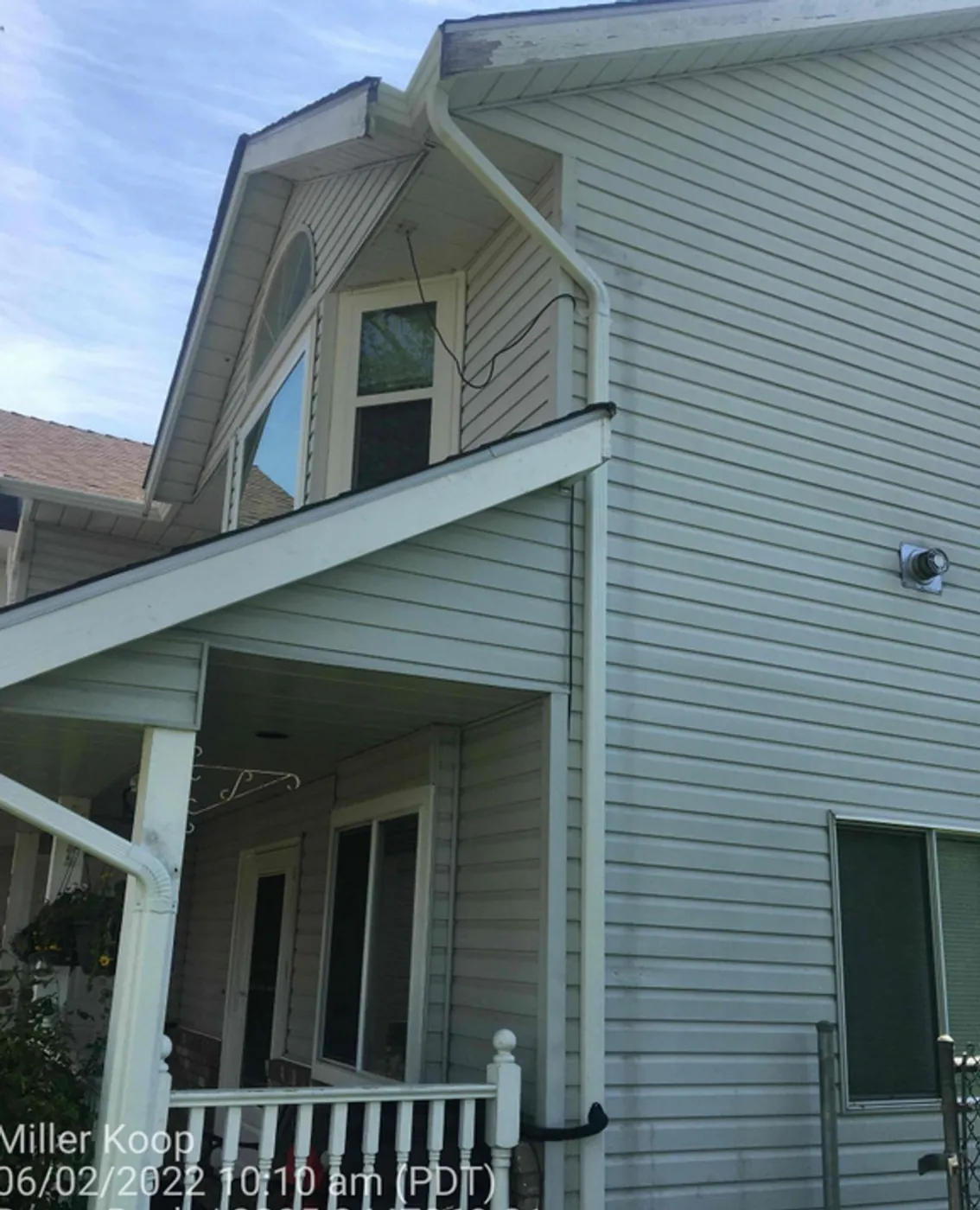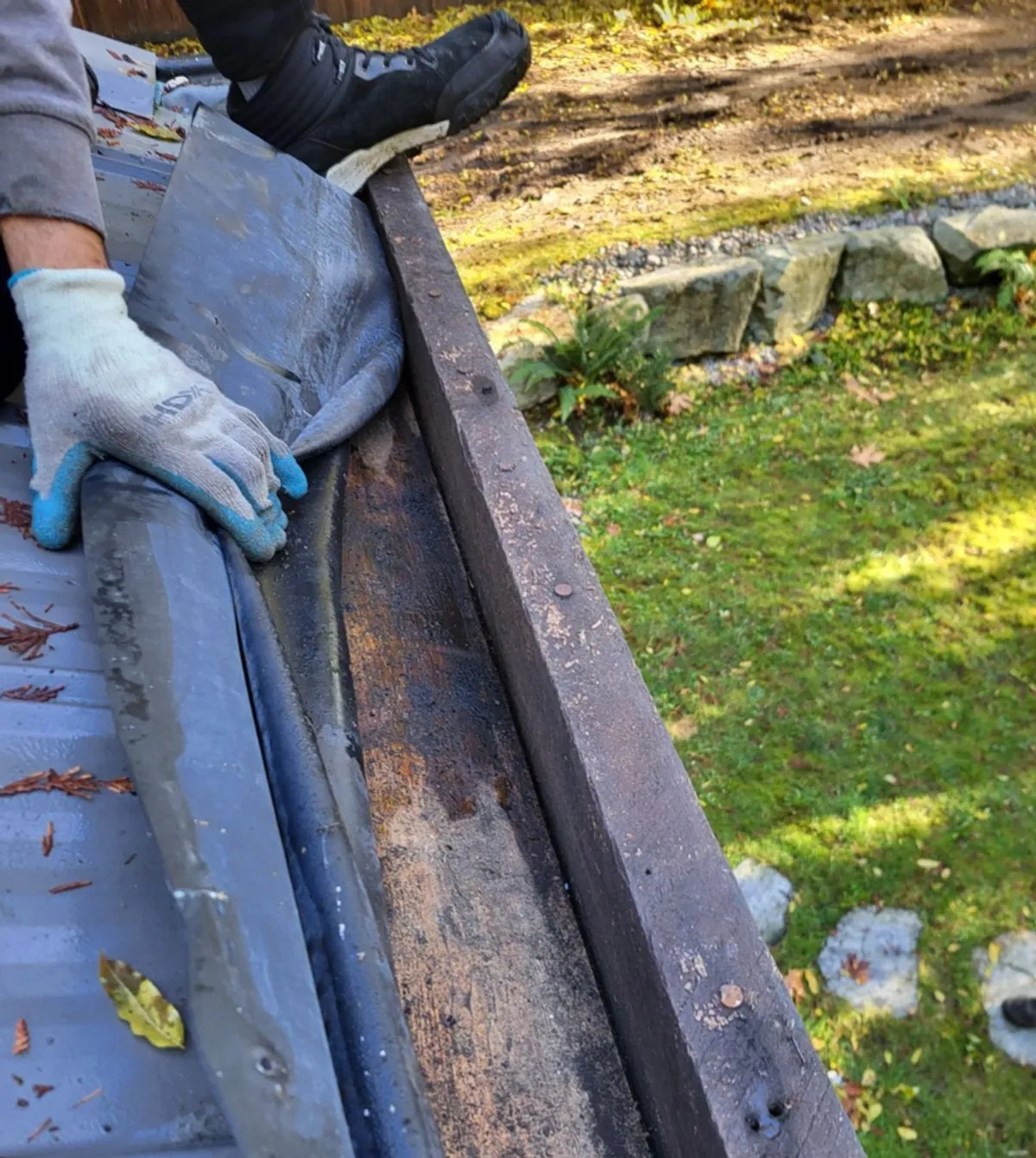
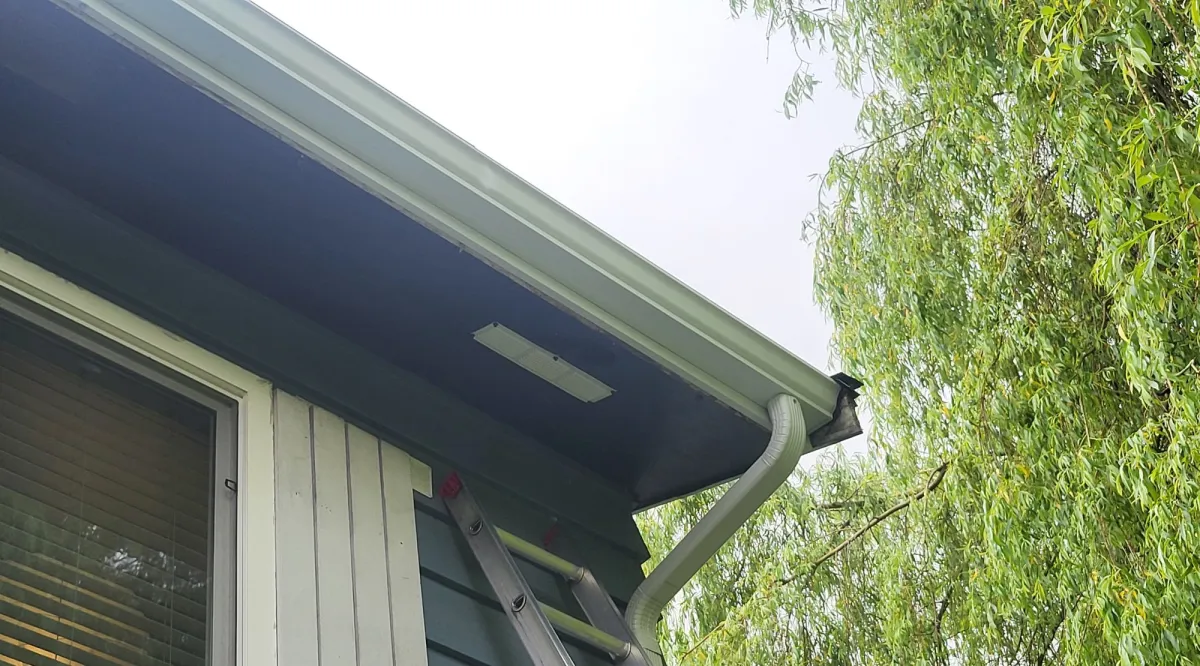
Before winter, look for gutter overflow, loose supports and blocked outlets. Ice and snow add risks that cleaning alone cannot remove.
How Winter Affects Gutters
- Freezing conditions: Standing water can turn to ice.
- Ice weight: Icicles and frozen water can strain gutter supports.
- Movement: Temperature changes can stress joints and expose leaks.
- Snow accumulation: Check for visible changes from the ground.
- Support strain: Sagging sections need assessment, not extra load.
- Blocked flow: Meltwater needs an open route through outlets and downspouts.
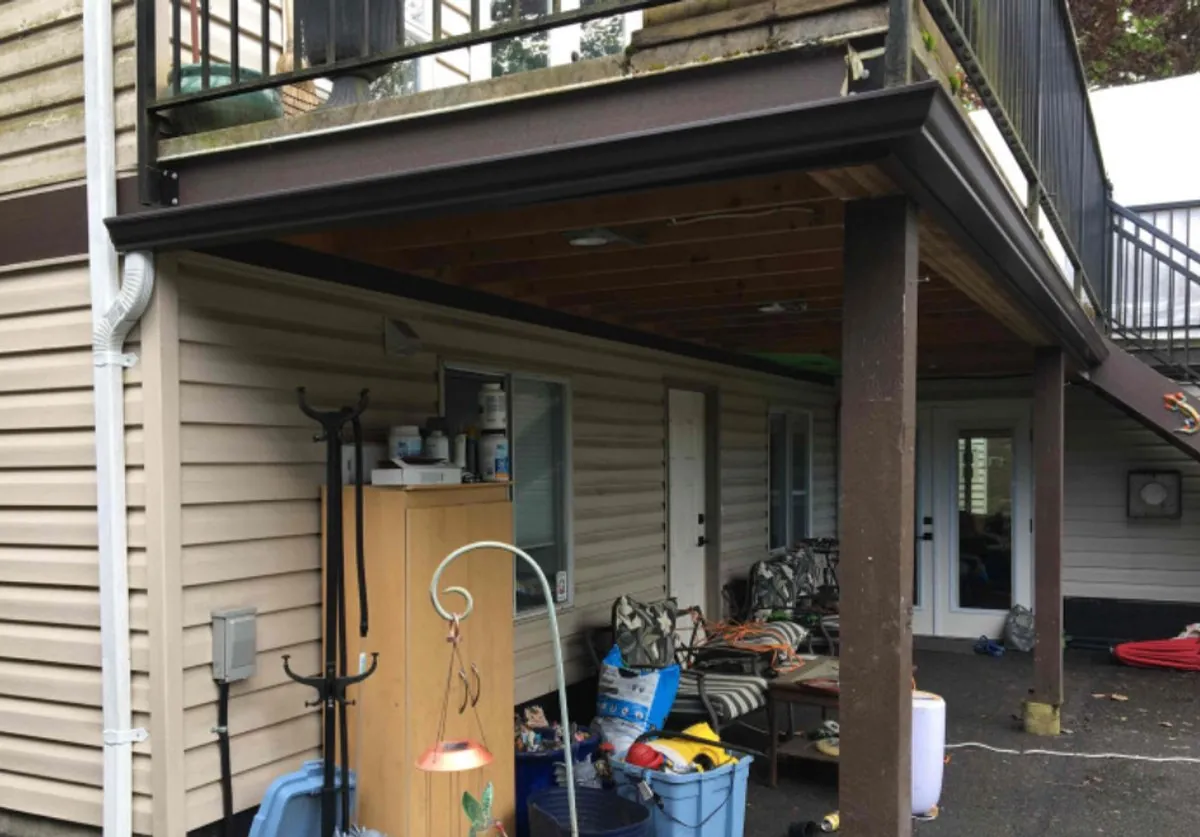
Clear Debris Before Cold Weather
- Remove leaves and check downspout flow before freezing conditions make access unsafe.
- Ask for cleaning and any corrective work to be listed separately.
Consider Gutter Guards Carefully
- Check guard suitability for your roof edge, nearby trees and existing gutter condition.
What Guards Filter
- Guards can reduce larger debris, but fine material may still enter or collect on top.
Maintenance Still Matters
- Guarded gutters still need inspection and cleaning based on debris buildup.
Keep Outlets Open
- A clear channel does not guarantee a clear outlet or downspout. Check the whole drainage route.
Guards Do Not Solve Ice Dams
- Ice dams can involve attic heat loss and roof temperatures. Do not rely on gutter guards as the remedy.
Check Supports and Joints
- Guards will not correct loose brackets, damaged joints or poor gutter slope.
Watch for Nesting Material
- Arrange safe assessment of blocked areas. Active nests may need specialist advice before removal.
Check Discharge Near the Home
- Make sure downspouts direct water to a suitable discharge route, rather than against the foundation.
Remove Dry Debris
- Leaves can remain on top of guards. Keep debris removal in the maintenance plan rather than assuming fire protection.
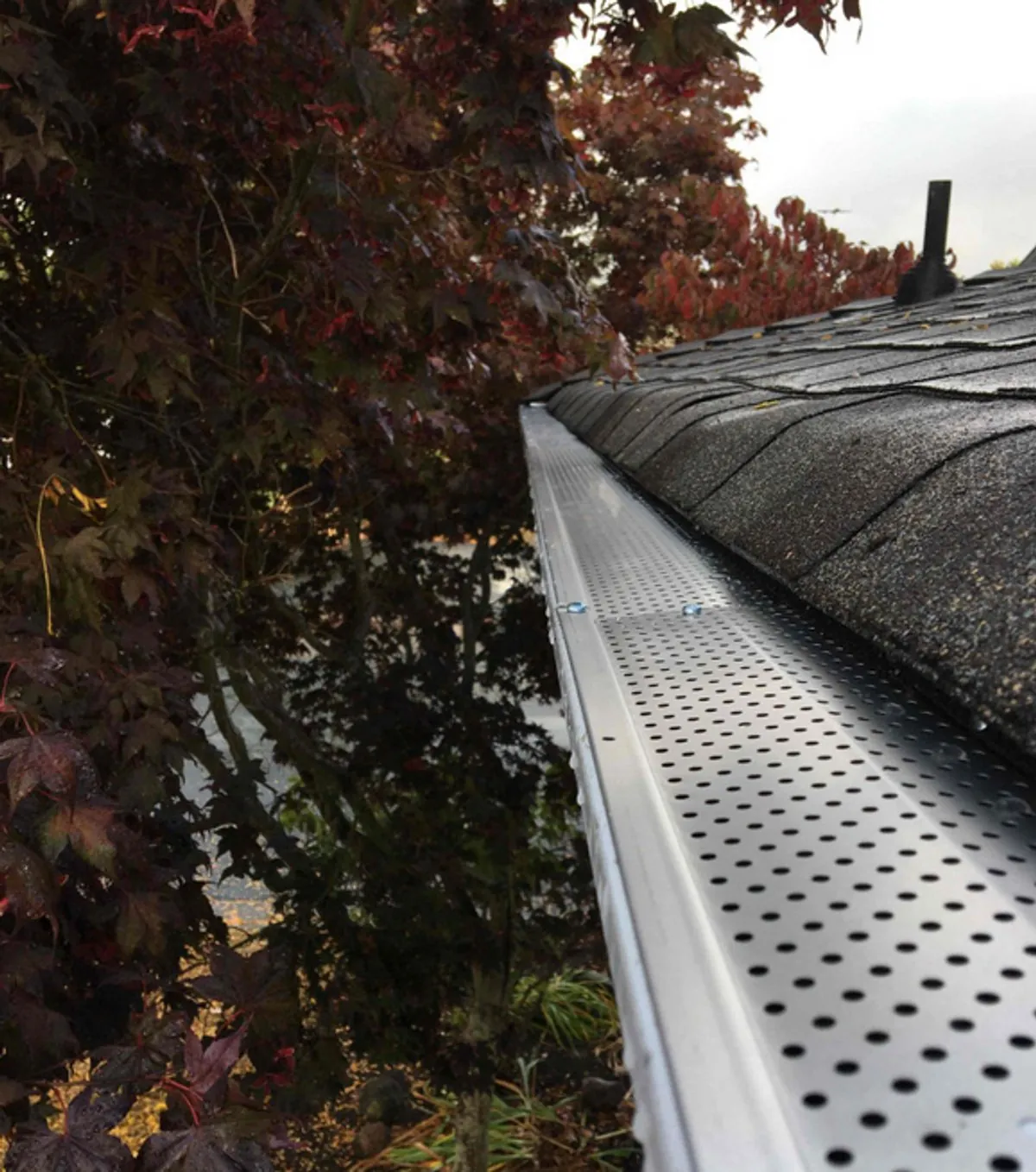
Set a Condition-Based Schedule
Use tree cover, past overflow and inspection findings to plan checks. Add a check after storms that leave debris.
Before Winter
- Ask for gutter channels, joints, outlets and downspouts to be assessed before cold weather.
After Leaves Fall
- Clear fresh debris once nearby trees have shed, with safe access arranged.
During Winter
- From the ground, look for new sagging or separation. Keep away from hanging ice.
After Heavy Snow
- Do not climb onto a snowy roof or pull ice from gutters. Report visible damage and arrange a safe assessment.
At the End of Winter
- Check for thaw-related leaks, shifted joints and blocked discharge points.
Plan Gutter Work with the Roof
Start with a roofing consultation. Review roof edges and eavestroughs together so the work addresses the cause of overflow.
- Inspection: Record where drainage fails and what needs attention.
- Timing: Agree on checks suited to your home rather than assuming a fixed package.
- Scope: Separate debris removal from support, slope or joint corrections.
- Budget: Request itemized options that fit your home and budget; cost depends on condition.
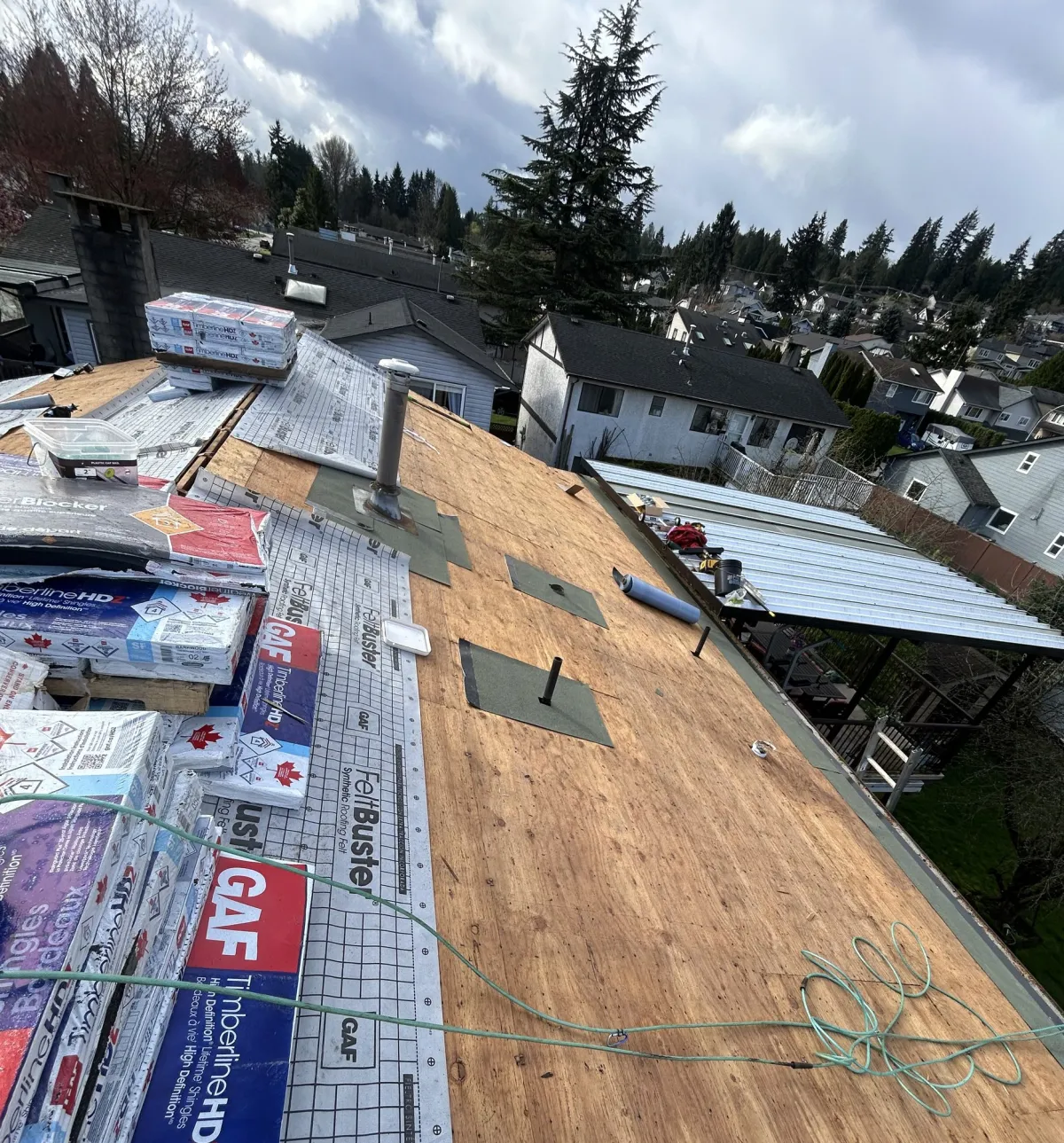
If the pitched asphalt roof also needs replacement, coordinate gutter decisions with that scope. Keep minor repairs secondary to the condition of the whole system.
← All articles