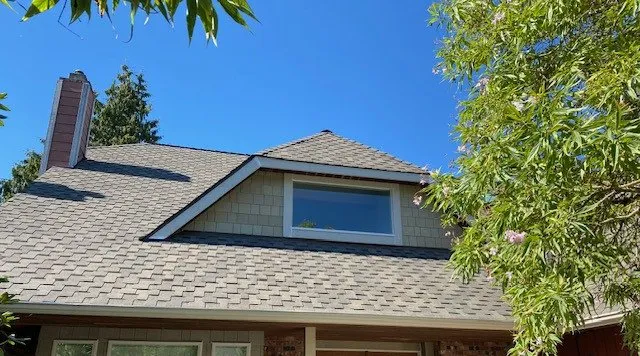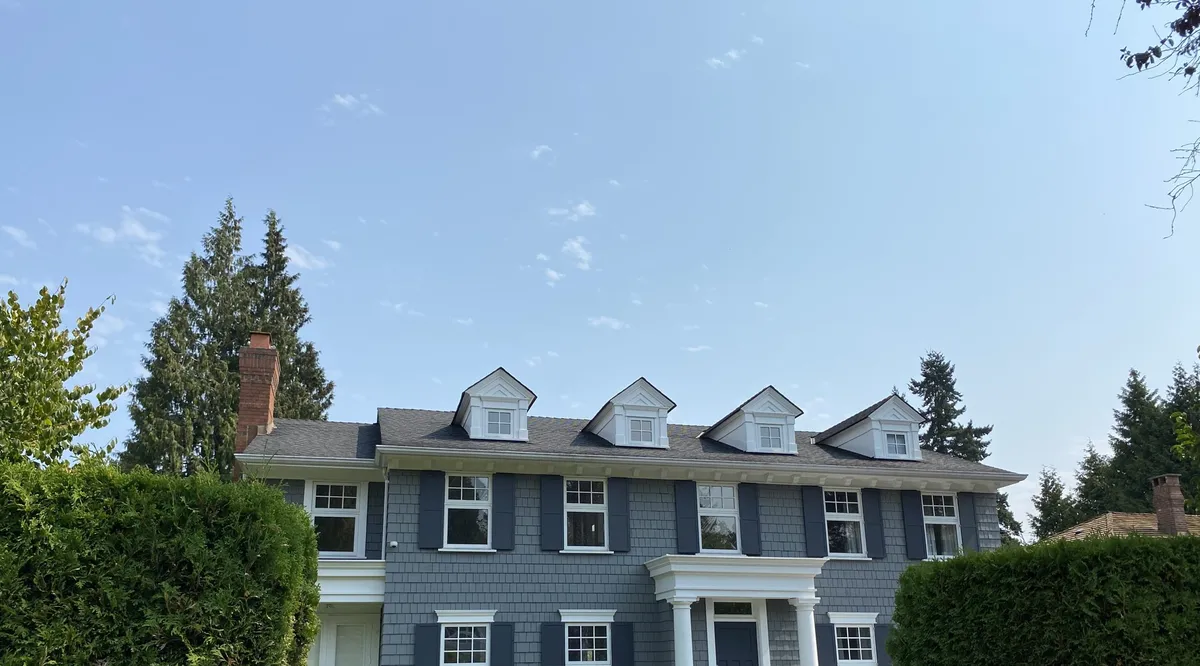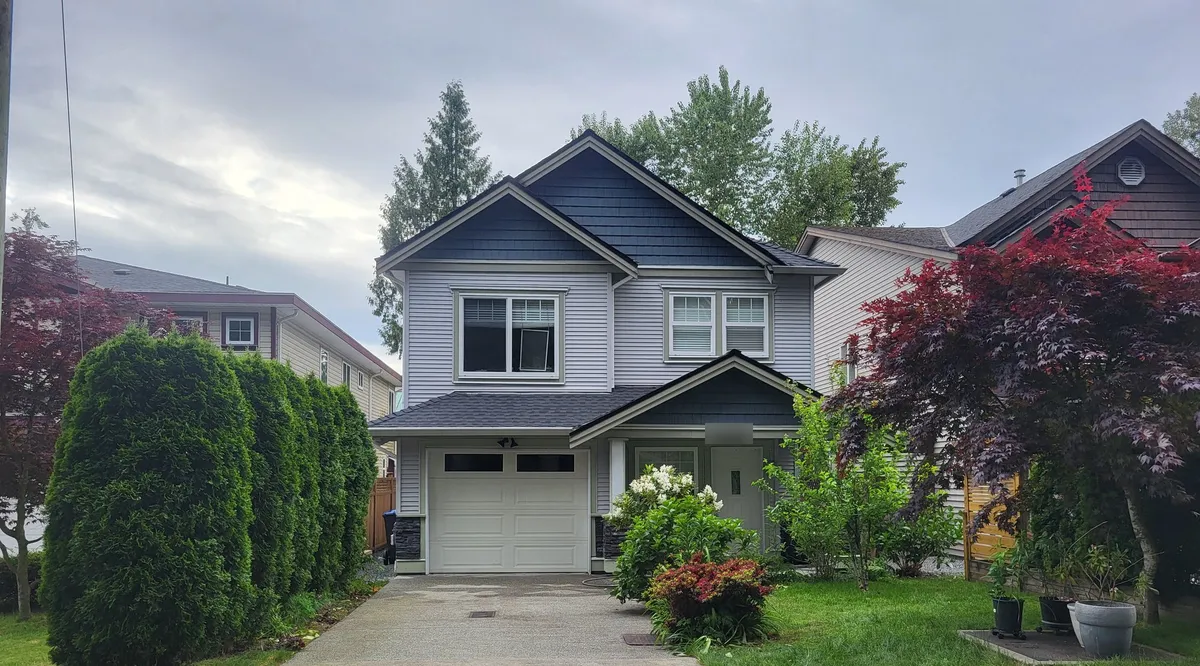
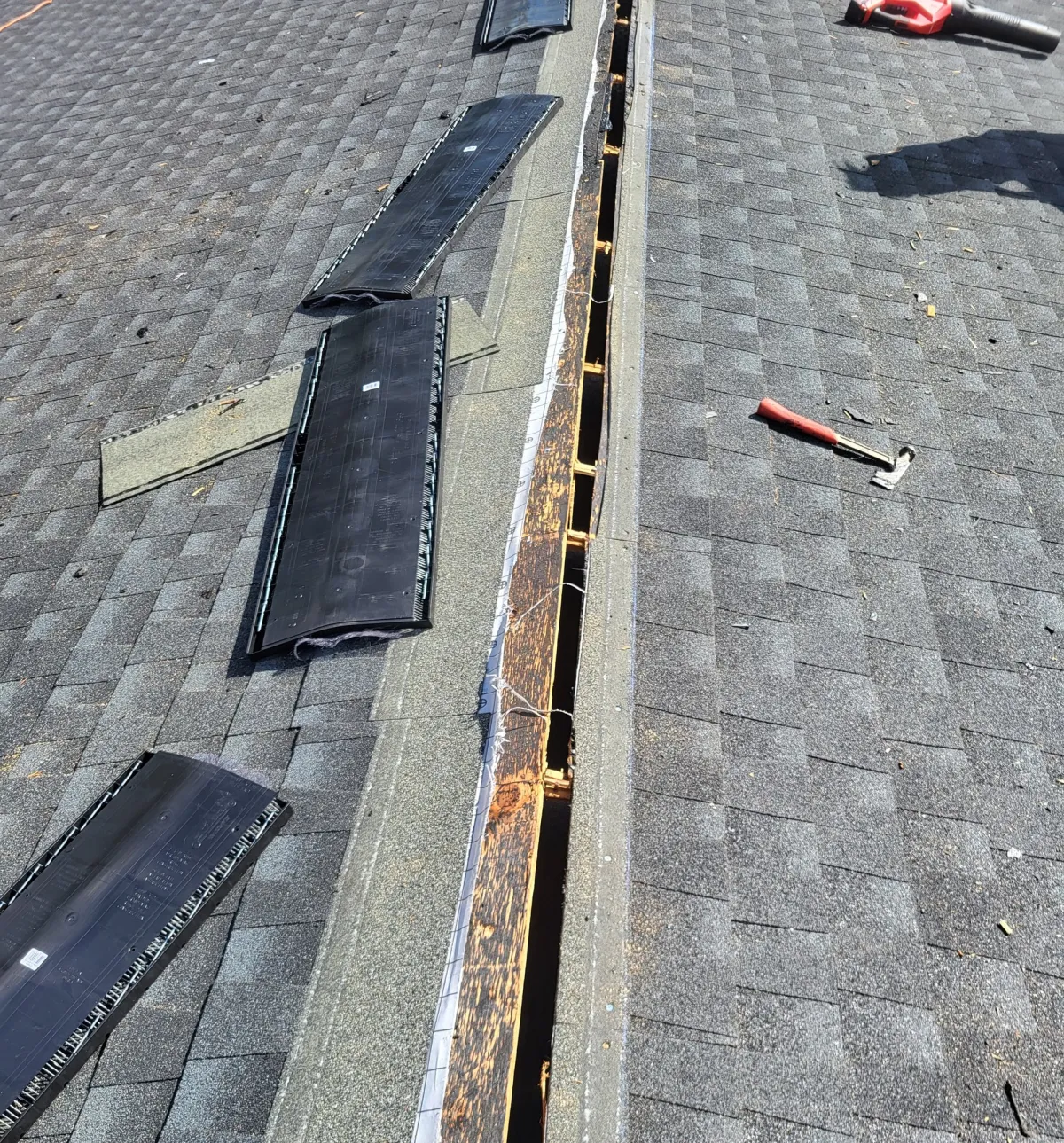
When planning an asphalt pitched roof replacement, assess attic ventilation with the roof. Moisture problems can involve air leaks, insulation and roof leaks as well as vents.
How Attic Ventilation Works
Intake and exhaust openings allow outside air to move through a vented attic. Their placement and clear airflow paths matter.
Why It Matters
- Moisture: Ventilation can help remove moisture, but the source still needs diagnosis.
- Heat: Airflow can limit heat buildup; roof exposure and insulation also matter.
- Energy use: Do not assume ventilation changes will reduce bills by a predictable amount.
- Shingle condition: Review the selected manufacturer’s ventilation requirements during replacement planning.
Signs Worth Investigating
These signs call for an assessment, not an automatic decision to add vents:
- Heat: An unusually hot attic needs its airflow and insulation checked together.
- Ice: Ice at the eaves can involve heat loss and refreezing, not ventilation alone.
- Condensation: Wet surfaces need a check for indoor air leakage and other moisture sources.
Ask for a Roofing Consultation
Start with a roofing consultation, then review itemized options that fit your home and budget. Ask which ventilation findings affect the replacement scope.
Keep soffit intake openings clear and check gutters at the roof edge. Ask for recommendations tied to observed conditions rather than a general promise of longer roof life.
← All articles