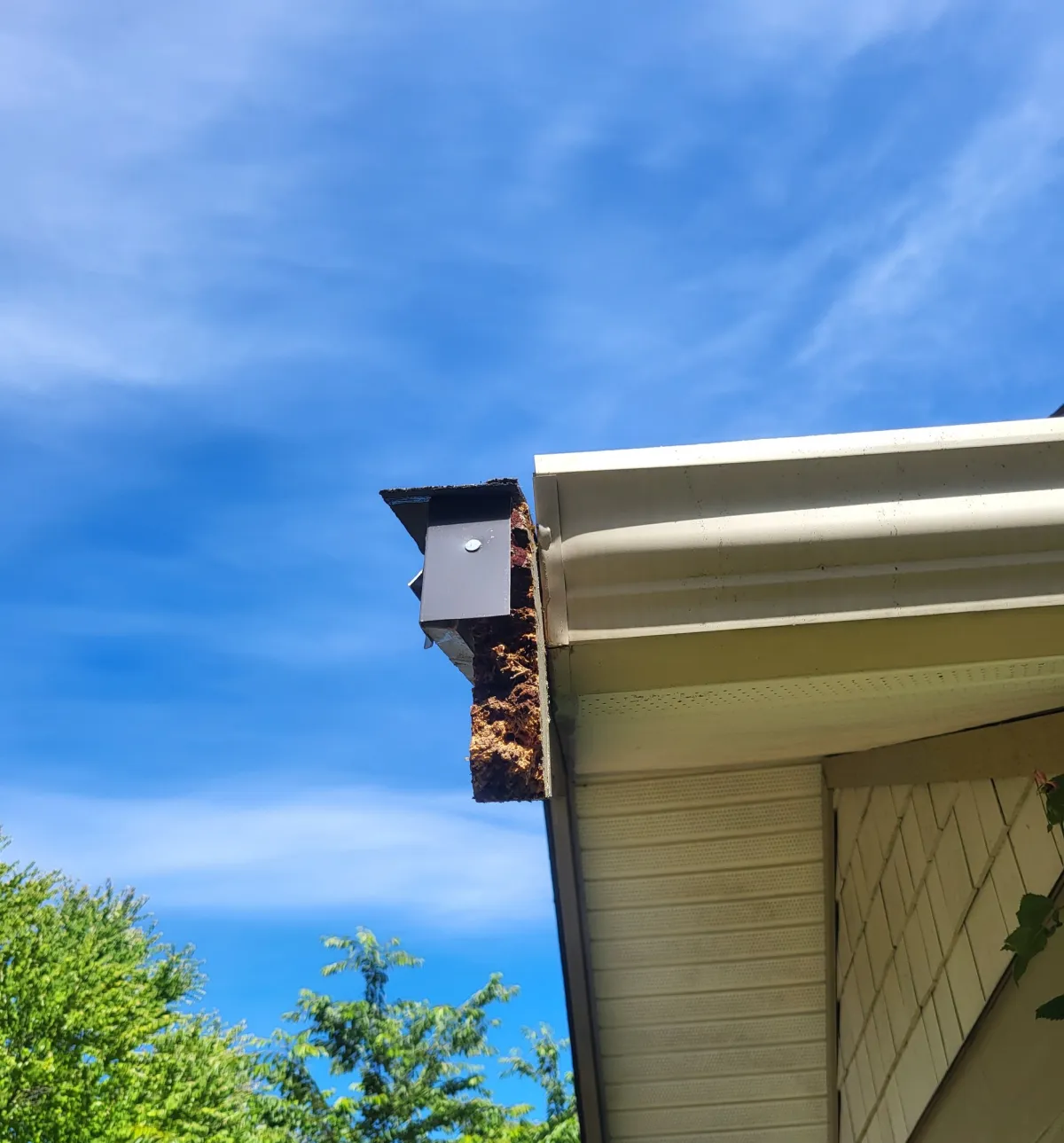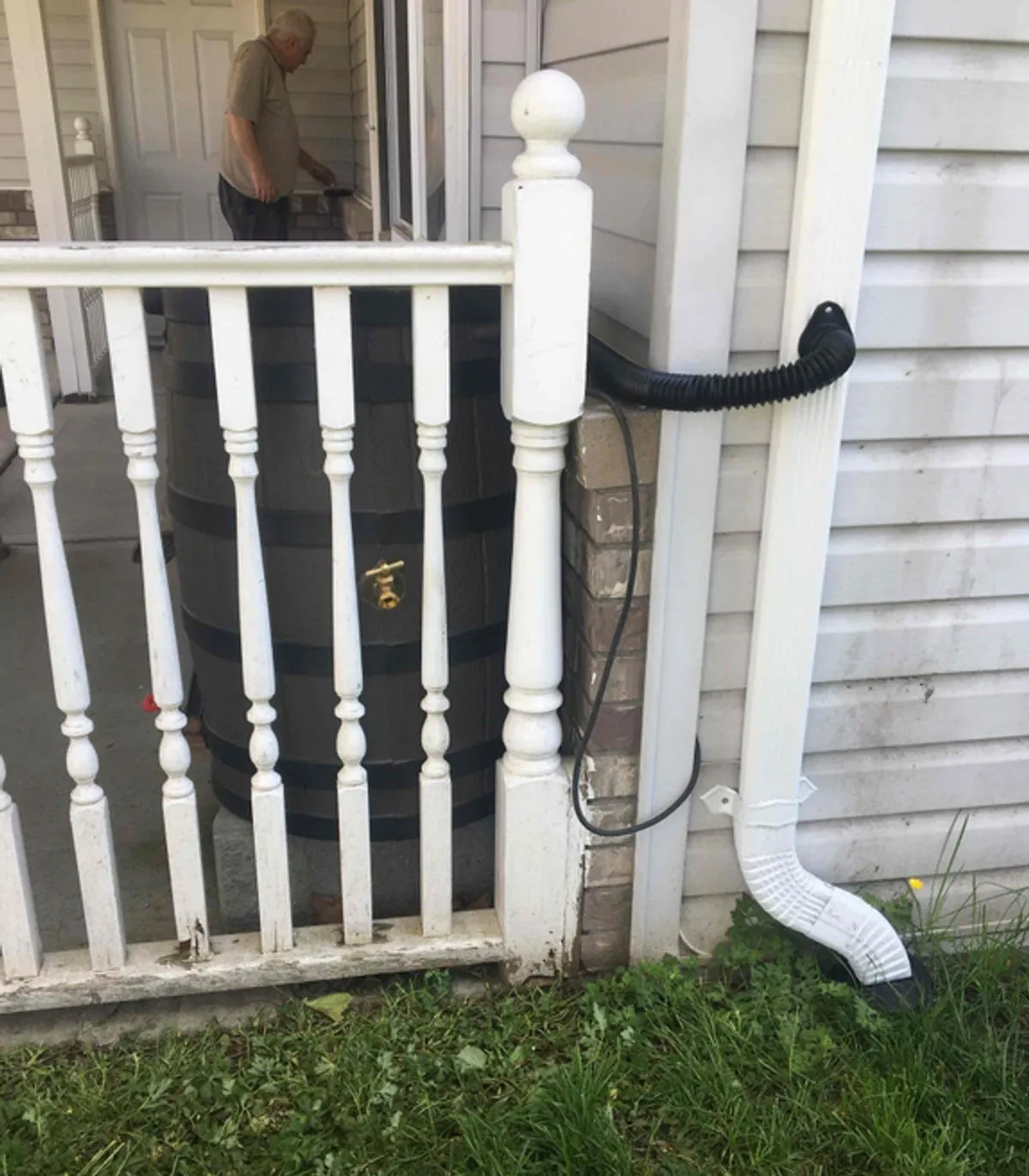

There is no cleaning interval that fits every gutter. Look at what collects, where water overflows and whether downspouts remain clear.
Why Cleaning Matters
Clear channels and outlets help water reach the intended discharge route.
- Water control: Overflow can wet walls and collect near foundations.
- Roof edges: Debris can hold moisture against fascia and roof-edge materials.
- Nesting material: Blockages may need careful removal, with specialist advice for active nests.
- Stains: Repeated staining can point to overflow that needs more than cleaning.
Use inspection findings to decide when the next check is needed.
What Changes the Schedule?
Consider the conditions at your home:
- Weather: Check after storms that deposit branches or leaves.
- Trees: Needles, seeds and blossoms can build up between leaf-fall seasons.
- Guards: Debris may collect on top of guards and still need removal.
- Roof layout: Valleys and concentrated runoff can move debris toward particular outlets.
Plan Checks Around Actual Buildup
Use seasonal changes as reminders, then adjust to what you find.
- Spring and fall: Review debris after major shedding periods.
- Frequent buildup: Arrange closer checks where tree cover repeatedly blocks drainage.
- After storms: Look from the ground for overflow or displaced parts.
- Guarded gutters: Include guard surfaces and outlets in the maintenance scope.
Begin with a roofing consultation and ask for itemized gutter options that fit your home and budget. Cleaning, adjustment and replacement should be separate decisions.
← All articles